Kennesaw State University · Course
Special Topics: Eos Programming
An in-depth console-programming course on the ETC Eos family, with a heavy parallel track on production networking, show control, and timecode.
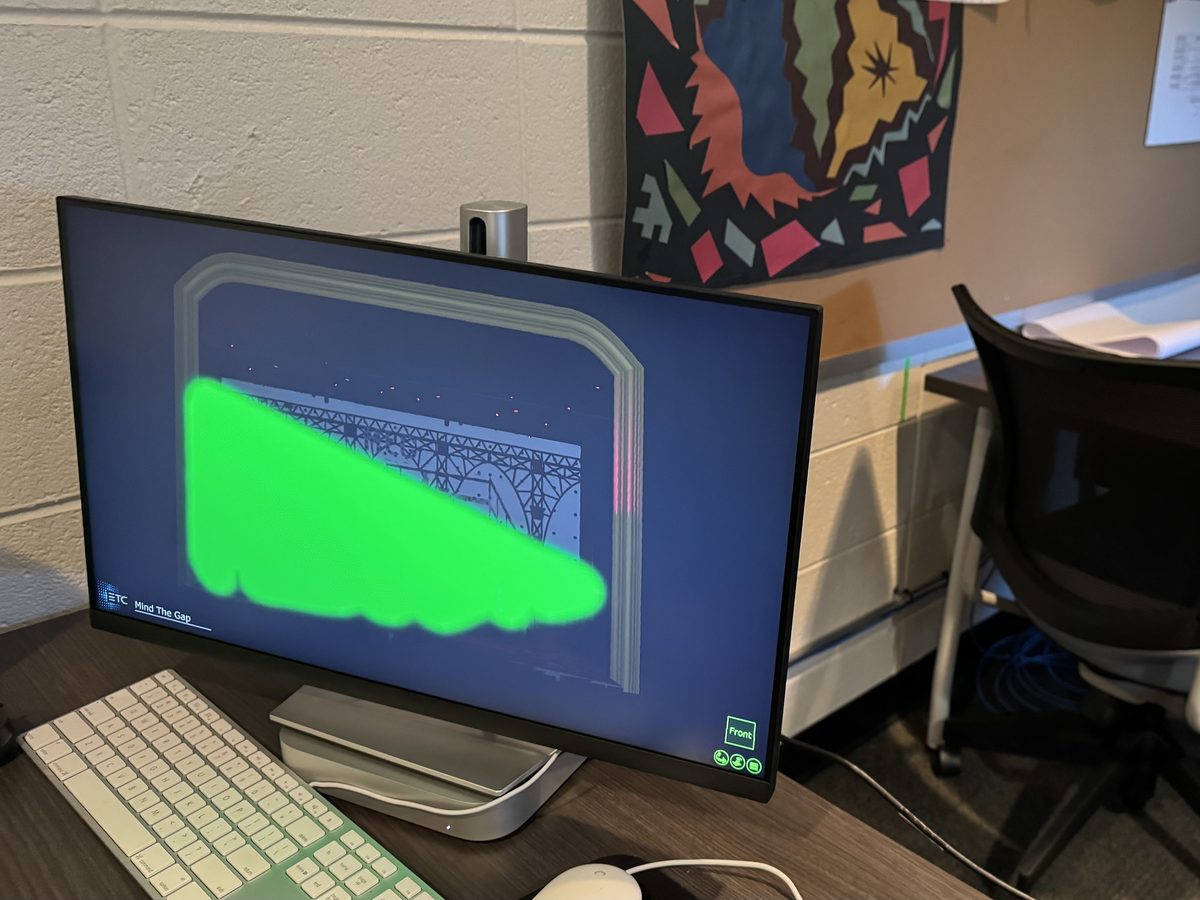
Overview
An in-depth study of theatrical lighting programming, with a specific emphasis on the ETC Eos family of consoles and current US professional theatre techniques and standards. Programming is taught alongside the systems that make modern lighting control possible: a full unit on production-grade computer networking, a unit on show control across departments, and dedicated time on timecode and multi-user programming environments.
The course is a mixture of lecture, demo, and hands-on lab work on Eos. Students leave able to plan and patch a real show from paperwork, build cues and palettes that survive a tech process, and build the network and show-control glue that ties the lighting console to the rest of the production. A baseline of computer and lighting proficiency is expected before enrolling.
Course objectives
By the end of the semester, students will be able to:
- Plan, document, install, and troubleshoot computer network systems for live performance control.
- Understand and apply different control philosophies in order to successfully program a theatrical show.
- Patch a show from paperwork, including handling dimmers, moving lights, multipart and multicell lights, and atmospheric effects.
- Understand the differences between absolute and referenced data and use each effectively.
- Program and update cues, submasters, palettes, presets, macros, and other typical recording targets.
- Implement show control systems so the lighting console communicates with sound, video, and other departments.
- Implement multi-user programming environments, including software and hardware specification.
- Implement timecode for lighting playback and control.
Units & topics
A scaffolded sequence: each unit builds on the work of the one before it.
-
Unit 01
Computer networks (two sessions)
How production networks really work: addressing, switching, sACN/Art-Net, and how to plan and document a working network.
-
Unit 02
Control philosophies
How designers and programmers think about referenced data, palette structures, and tracking; framed against the ETC tracking-vs-cue-only white paper.
-
Unit 03
Hardware, software, and patching
Eos hardware/software basics and a full patch-from-paperwork workshop.
-
Unit 04
Programming: cues, palettes, macros, and effects
Multi-week deep dive on the recording-target stack students will use on every show they work.
-
Unit 05
Show control
Tying lighting to sound, video, automation, and the rest of the production via OSC, MIDI, and friends.
-
Unit 06
Final project
A full programmed show built end-to-end, presented in the final week.
Assignments & projects
-
Network project
-
Patch project
-
Cuelist project
-
Macro project
-
Show control project
-
Final programmed-show project
Required materials
-
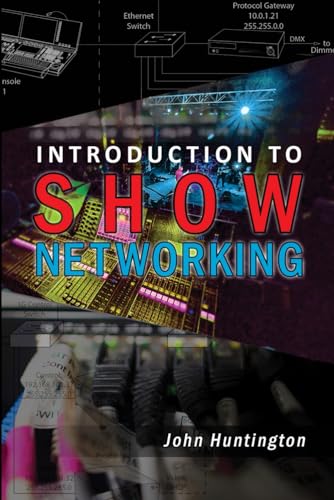
-
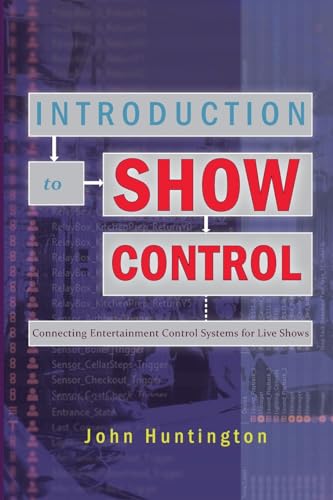
-
-
Hardware
USB flash drive (1 GB or larger)
Any brand. Used to move show files between consoles in lab.
Listed in the KSU catalog as Lighting Programming. Pre-requisite: a baseline of computer and lighting proficiency.
Other courses
More from Mike's appointment at Kennesaw State.
-
Fall
Visual Imagination
A foundations-of-design course on how line, color, form, texture, and light shape a viewer’s emotional response in the theatre.
View course →
-
Spring
Stagecraft
A high-level tour through the disciplines of technical theatre, building shared vocabulary, hands-on skills, and an awareness of the careers behind a working production.
View course →
-
Spring
Special Topics: Production Software
A working tour of the digital tools a modern production team uses, from FileMaker and Lightwright through QLab, Vor, network tools, and a closing build-your-own NodeRED unit.
View course →